



How to Configure a High-Bay Light Aging Line? Power-On Aging of High-Power LED Beads Explained
Time:
2026-11-26 10:23
Source:
Author:
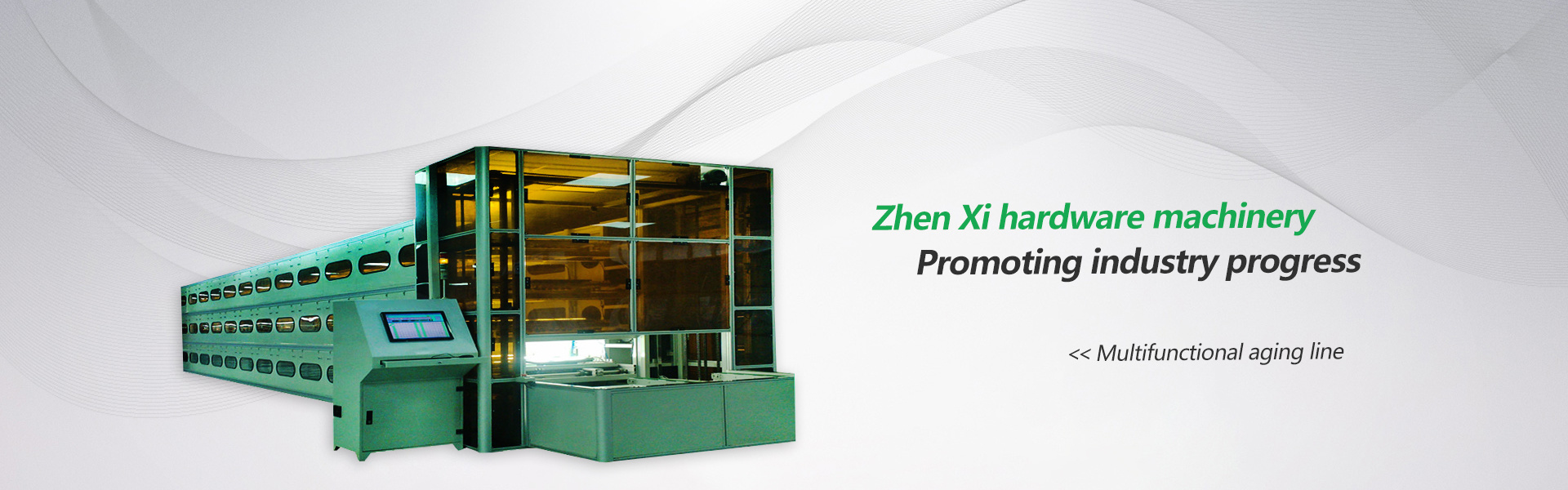
High-bay lights are powerful, run hot, and carry many LED beads. If they skip power-on aging before shipping, early problems such as cold solder joints, dead beads, and unstable drivers will surface in the customer's workshop. A high-bay light aging line keeps every fixture powered so it runs under near-real conditions first, screening hidden defects out inside the factory.
Aging high-bay lights is not just plugging them in and letting them light up. The fixture must stay lit continuously, simulating real uninterrupted operation. On the aging line, the light stays powered from loading to unloading: first low voltage to let the beads and driver ramp up; then normal voltage for stable illumination; then high voltage and impact to test the driver and beads against voltage fluctuation; and roaming aging, keeping the light on for hours to tens of hours to catch bead lumen decay, cold joints, and driver drift. The whole process is uninterrupted — the light stays on the entire time.
Key configurations matter. Zoned aging separates high-bay lights of different power and voltage levels so they run without interfering with each other. Isolation transformers provide electrical isolation, so a fault in one circuit does not affect the others. A touchscreen sets aging duration and voltage levels, with adjustable and traceable parameters. Layered aging racks multiply throughput in the same floor space.
A high-bay light aging line is non-standard and customized: light power, connectors, aging duration, and zone count all follow the product. Zhenxi Automation has years of experience in aging lines and can custom-build power-on aging lines for high-power fixtures such as high-bay lights, from design through installation and commissioning. To put high-bay lights on an aging line, message us or visit www.cnzhxi.cn.
Previous Page
Previous Page
Related news

undefined
Shenzhen Zhenxi Automation Equipment Co., Ltd
Zhenxi Automation (Huizhou) Co., Ltd

Technical consultation: 13421327150 (Mr. Yang)

Service consultation: 13421327150

Shenzhen Company: No. 15, Tongfu Industrial Zone, Jiangshi Community, Gongming Street, Guangming New District, Shenzhen
Factory address: Building 19, Xinli Kangle Chuangcheng Phase III, Shuikou Street, Huicheng District, Huizhou City

Website two-dimensional code
Copyright ©2018 Shenzhen zhenxi hardware machinery co., ltd.
Powered by www.300.cn