



How to Design Zone Isolation for a Burn-in Line: Low, Normal, High Voltage Without Interference
Time:
2026-10-05 12:07
Source:
Author:
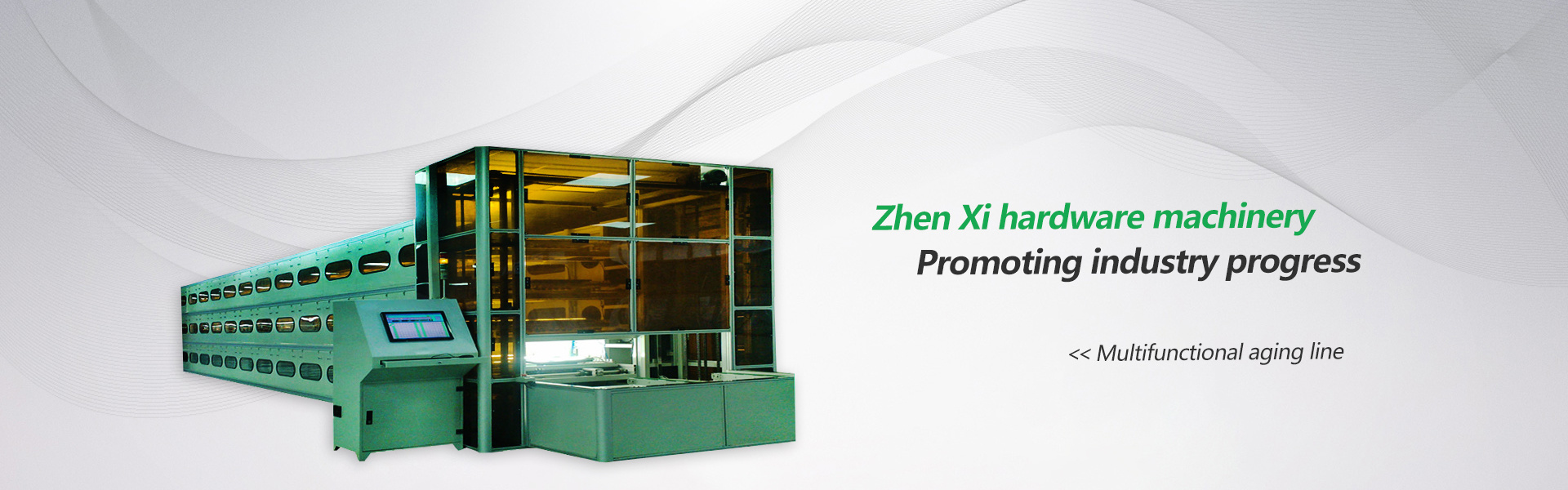
To burn in products of different voltage levels at the same time, zone isolation is the key. A burn-in line is divided into low-voltage, normal-voltage, high-voltage, surge and roaming sections, each handling one stage, and the product runs through them all in sequence without ever losing power.
The zones follow the burn-in process. The product enters the low-voltage zone first, letting the circuit warm up gradually; then the normal-voltage zone for stable running; then the high-voltage and surge zones to test the product's endurance at limit voltage; and finally the roaming zone, where it stays powered under near-real operating conditions to weed out early failures. Each zone's voltage level, current and burn-in time are set to the product's requirements.
Isolation is the core. Each zone has its own isolation transformer and an independent output, electrically isolated from the others. Low, normal and high voltage zones can burn in different products at the same time without crossing or interfering. One branch failing does not affect the others, so the line stays stable.
A touch screen makes zone management easier. The line has a touch-screen interface showing each zone's status, voltage, current and progress at a glance, with adjustable and traceable parameters. The operator sees which zone is running, how far along and any anomaly, without checking every station.
With good zone isolation, one line does the work of several — less floor space, higher efficiency, easier management. Huizhou Zhenxi Automation customizes burn-in lines to your voltage levels, burn-in time and batch, designing the zone plan, isolation transformers and touch-screen interface to match, from planning to installation and commissioning.
Related news

undefined
Shenzhen Zhenxi Automation Equipment Co., Ltd
Zhenxi Automation (Huizhou) Co., Ltd

Technical consultation: 13421327150 (Mr. Yang)

Service consultation: 13421327150

Shenzhen Company: No. 15, Tongfu Industrial Zone, Jiangshi Community, Gongming Street, Guangming New District, Shenzhen
Factory address: Building 19, Xinli Kangle Chuangcheng Phase III, Shuikou Street, Huicheng District, Huizhou City

Website two-dimensional code
Copyright ©2018 Shenzhen zhenxi hardware machinery co., ltd.
Powered by www.300.cn