



How to Set Up a Test Line: Feeding, Testing, Sorting and Data Logging
Time:
2026-09-30 01:08
Source:
Author:
When products are made, relying on manual sampling is neither reassuring nor fast enough for output. A test line links feeding, testing and sorting into one automated line, so every product passes through testing and good and bad are separated on the spot.
First, the test station. What to test, which instruments to use and how long to test are all set by the product. Electrical performance testing, functional testing, air-tightness testing and appearance inspection can all be integrated into the test line. Test stations must be stable and reliable, and the data must be accurate.
Second, data logging. A test line must automatically record test data for every product — pass, fail and test values, logged one by one. The data is traceable, so when a problem appears you can find which batch and which step. Data logging is also a requirement of a quality system.
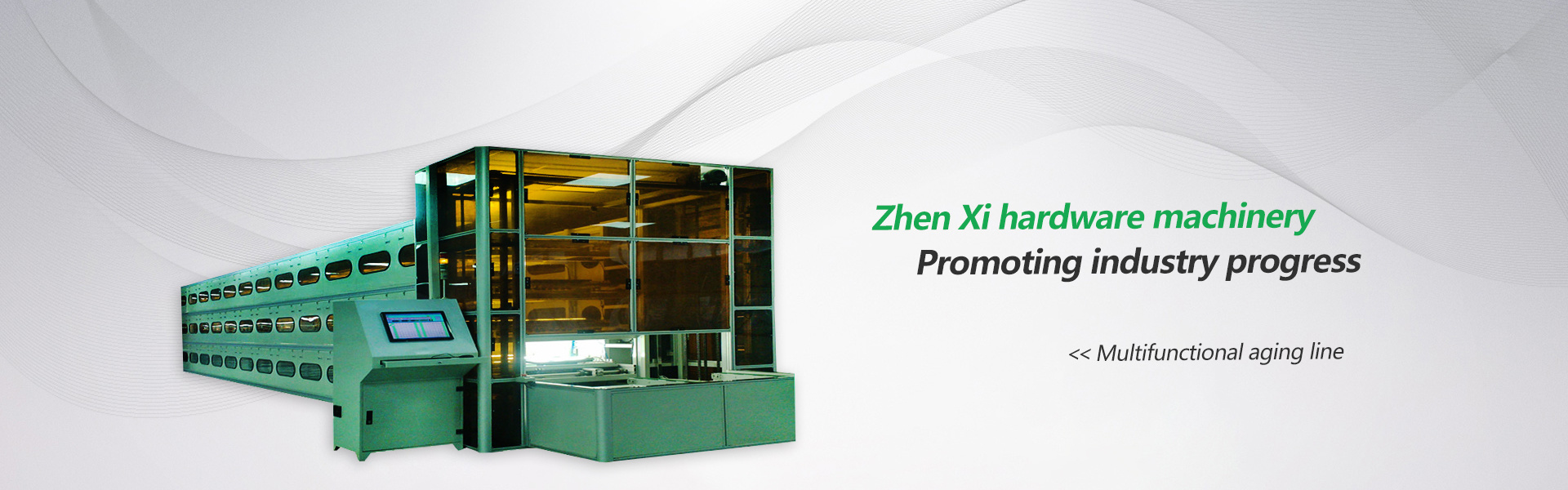
Third, sorting. Tested products are sorted automatically: good products flow to the next step, and failed products go to a reject area. Sorting works with testing, so there is no mixing. Some test lines also connect to an aging stage, where products are power-aged after testing.
The advantage of a test line is full inspection — every product is tested, not sampled. Full inspection plus data traceability guarantees yield and quality reputation.
Zhenxi has made test lines for years. Functional test lines, aging test lines and air-tightness test lines can all be customized to your product, with test stations, data logging and automatic sorting configured together. For test lines, feel free to message us or visit our website for cases.
Previous Page
Related news

undefined
Shenzhen Zhenxi Automation Equipment Co., Ltd
Zhenxi Automation (Huizhou) Co., Ltd

Technical consultation: 13421327150 (Mr. Yang)

Service consultation: 13421327150

Shenzhen Company: No. 15, Tongfu Industrial Zone, Jiangshi Community, Gongming Street, Guangming New District, Shenzhen
Factory address: Building 19, Xinli Kangle Chuangcheng Phase III, Shuikou Street, Huicheng District, Huizhou City

Website two-dimensional code
Copyright ©2018 Shenzhen zhenxi hardware machinery co., ltd.
Powered by www.300.cn