


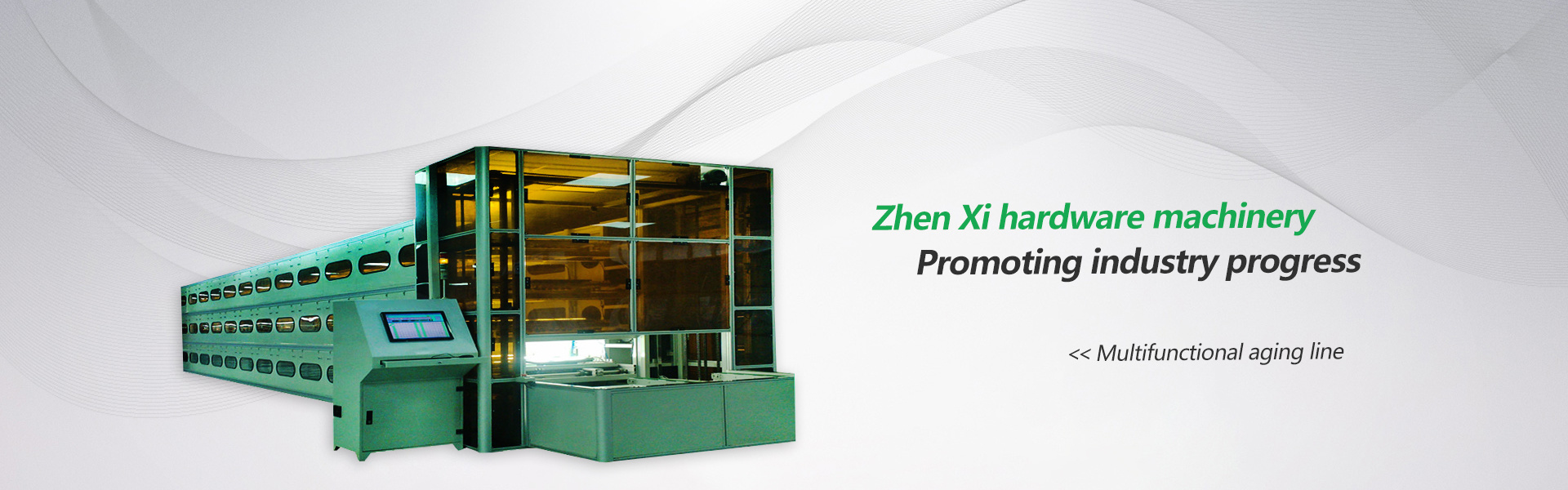

How Power-On Aging Lines Work: Voltage Aging Explained
Time:
2026-09-25 18:19
Source:
Author:
An aging line, also called a burn-in line, is used to run finished products under power for a set period so that early defects are exposed before delivery. For electronic and electrical products, the key principle is power-on aging, which means the product is energized and operated continuously through several voltage stages.
A typical power-on aging process moves through the following stages:
- Low voltage: the product is first energized at a lower voltage to check basic operation.
- Normal voltage: the product runs at its rated working voltage for the main aging period.
- High voltage: the voltage is raised to stress the product and reveal weak components.
- Surge: short voltage surges are applied to simulate unstable mains conditions.
- Roaming aging: the product cycles through different voltage levels to complete the burn-in.
The most important feature of a well-designed aging line is uninterrupted power. The product stays energized throughout the whole process, without switching off between stages. This continuity is essential for a meaningful burn-in test.
To support this, the line uses zoned aging, where products are divided into zones that can be controlled independently. Isolation transformers provide safe, stable power to each zone. A touchscreen HMI gives operators a clear human-machine interface to monitor status and set parameters for every zone.
Power-on aging is widely used for LED drivers, power supplies, chargers, inverters and other electronic products. It dramatically reduces the rate of early failures in the field, which protects your brand and lowers warranty costs.
If you need an aging line for your products, we design custom multi-layer and multi-function aging lines matched to your voltage levels, product size and required aging duration.
Related news

undefined
Shenzhen Zhenxi Automation Equipment Co., Ltd
Zhenxi Automation (Huizhou) Co., Ltd

Technical consultation: 13421327150 (Mr. Yang)

Service consultation: 13421327150

Shenzhen Company: No. 15, Tongfu Industrial Zone, Jiangshi Community, Gongming Street, Guangming New District, Shenzhen
Factory address: Building 19, Xinli Kangle Chuangcheng Phase III, Shuikou Street, Huicheng District, Huizhou City

Website two-dimensional code
Copyright ©2018 Shenzhen zhenxi hardware machinery co., ltd.
Powered by www.300.cn